Contract management software for the IT industry: 2026 best practices
IT organizations rely on a steady flow of contracts to keep operations running. These agreements cover everything from software licensing and cloud services to vendor partnerships, data processing, and support arrangements. Because the volume and complexity of these contracts continue to grow, many teams are moving towards structured, software-based contract management.
While contract management software is not new, its role in IT settings has evolved. In 2026, the focus is less on digital storage and more on creating transparent, reliable processes that scale with the business. This article offers practical guidance on what IT teams should expect from contract management software and how to apply best practices that fit real-world workflows.
In this article, we’ll explore:
- Why contract management software matters for IT organizations
- Key features to look for in contract management tools
- Best practices for improving contract workflows in IT
Why contract management software matters in IT
IT organizations manage an unusually high number of agreements. These may include SaaS subscriptions, hardware leases, consulting contracts, service-level agreements, reseller arrangements, and data protection addenda. Each contract comes with deadlines, obligations, service terms, and security requirements that must be tracked accurately.
Relying on shared drives or email threads often leads to scattered documentation and duplicated work. Contract management software solves this problem by centralizing documents and metadata in one system. This reduces the risk of misplaced contracts, outdated versions, or missed renewal dates. A structured platform also helps document owners understand who is responsible for what, which is especially important when teams work across different locations or time zones.
IT teams also face frequent audits, procurement cycles, and changes in vendor relationships. With organized contract data, teams can respond more efficiently to internal requests and external compliance checks. This is particularly useful for organizations following standards related to data protection, outsourcing oversight, or supplier risk management.
Key features to look for in contract management software
Not every tool fits the needs of an IT department. When comparing solutions, focus on features that support both daily operations and long-term governance.
- User-friendly interface: Clear navigation and simple workflows make it easier for technical and non-technical users to find information and update contract records.
- Security and access control: Contracts often contain sensitive commercial or technical details. Look for capabilities such as role-based access, detailed audit logs, and secure storage that aligns with your organization’s security requirements.
- Automation capabilities: IT teams often manage hundreds of contract renewals and obligations. Automated reminders for key dates, approval steps, and expiring terms help reduce manual tracking and avoid renewal surprises.
- Integration with existing tools: Smooth integration with procurement systems, ticketing platforms, ERP tools, or identity management systems helps reduce duplicate data entry and makes information available where teams already work.
- Search and filtering: Strong search features allow teams to quickly locate contracts, associated documents, or specific clauses. This is especially valuable during audits or when preparing for vendor negotiations.
See also: 10 best contract management software in 2026
Best practices for IT organizations
Introducing contract management software is only the first step. The real value comes from consistent processes and clear ownership.
- Maintain regular contract reviews: Schedule periodic checks of active agreements to confirm they reflect current service levels, pricing, and responsibilities. Regular reviews also help identify outdated contracts that should be renegotiated or terminated.
- Encourage collaborative workflows: IT procurement, legal teams, finance, and operational teams often share responsibility for contracts. Provide shared but controlled access so each group can work with accurate information without waiting on others.
- Use automation deliberately: Automating reminders, renewal notices, and approval steps helps ensure that obligations don’t fall through the cracks. Consistent automation also reduces variation between teams and keeps processes predictable.
- Standardize templates and metadata: Create a clear structure for naming, tagging, and storing contracts. Standardization reduces confusion and makes it easier to compare terms across vendors or service types.
- Document ownership clearly: Assign contract owners who understand the operational impact of each agreement. This makes it easier to handle changes, renewals, or escalation when issues arise.
🔑 Key takeaways
- Contract management software helps IT departments create structure, reduce manual work, and improve visibility across teams.
- When selecting a contract management tool, prioritize usability, security, automation, and integration with existing systems.
- To gain long-term value, combine the software with good operational practices such as regular reviews, shared workflows, and consistent metadata standards.
Contract management software is most effective when it supports clear, reliable processes that scale with the organization. By adopting simple and sustainable practices, IT teams can improve oversight, reduce errors, and keep vendor relationships running smoothly.
FAQs
No. Most systems complement existing platforms. They typically focus on capturing contract data, obligations, and lifecycle actions, while procurement, ERP, or ticketing tools handle related operational processes. The goal is smoother handoffs, not replacing established workflows.
Adoption varies based on the size of the team and the complexity of the contract portfolio. Many organizations see meaningful improvements within a few weeks, but full optimization, such as standardizing metadata or aligning approval flows, could potentially take a bit longer as processes mature.
Long-term service agreements, infrastructure-related contracts, cloud service subscriptions, and anything with strict renewal cycles benefit greatly. These often include technical dependencies or security expectations, making structured management especially valuable.
Often, ownership sits with roles like IT operations managers, vendor managers, procurement specialists, or team leads who oversee specific systems. The key is ensuring someone with operational insight is accountable for each agreement’s lifecycle.
Small teams often benefit even more because they typically lack dedicated contract coordinators. Automating reminders and centralizing agreements helps small departments maintain control despite limited staffing.
Compare European CLM leaders
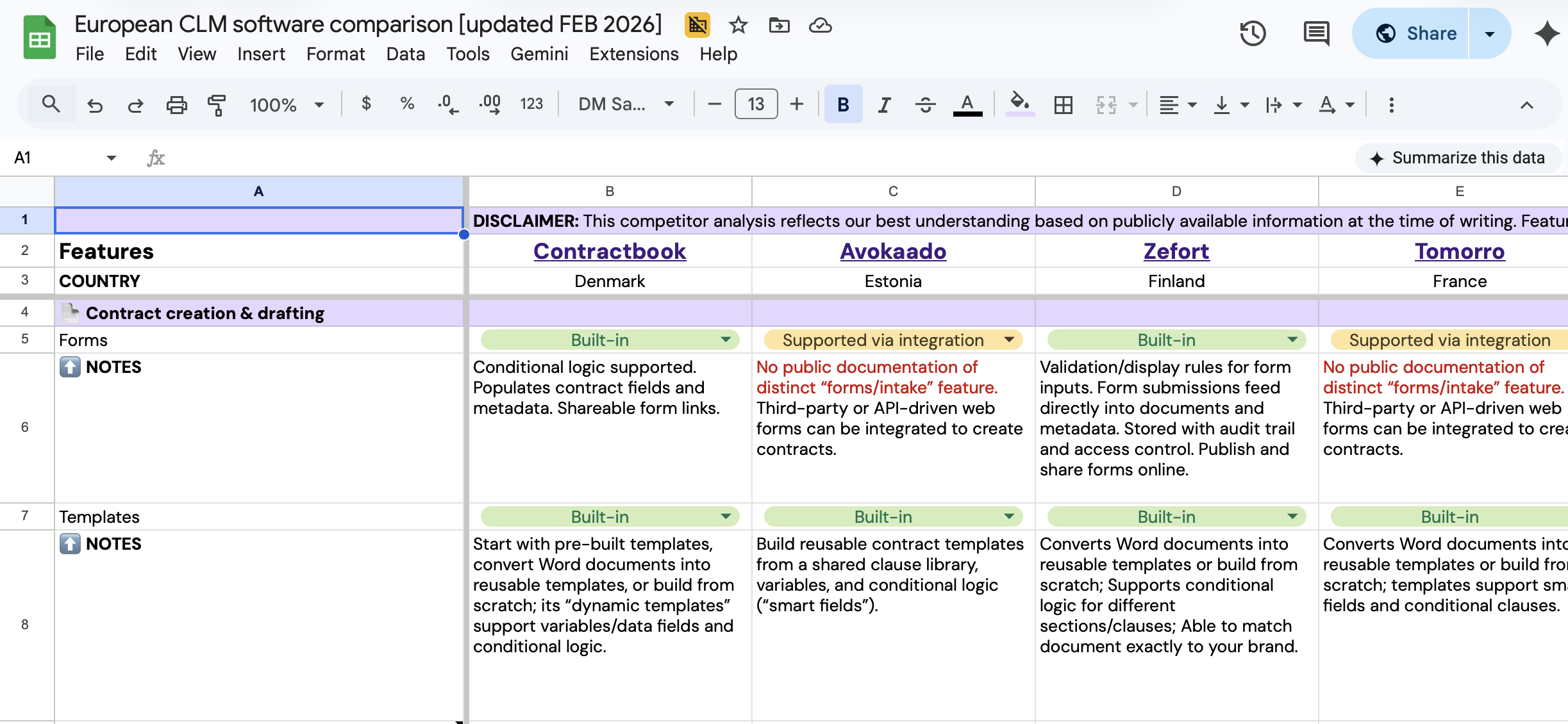
Get a comprehensive breakdown of the top CLM solutions in one spreadsheet.

Compare European CLM leaders
Get a comprehensive breakdown of the top CLM solutions in one spreadsheet.